Can omega-3 slow down ageing?


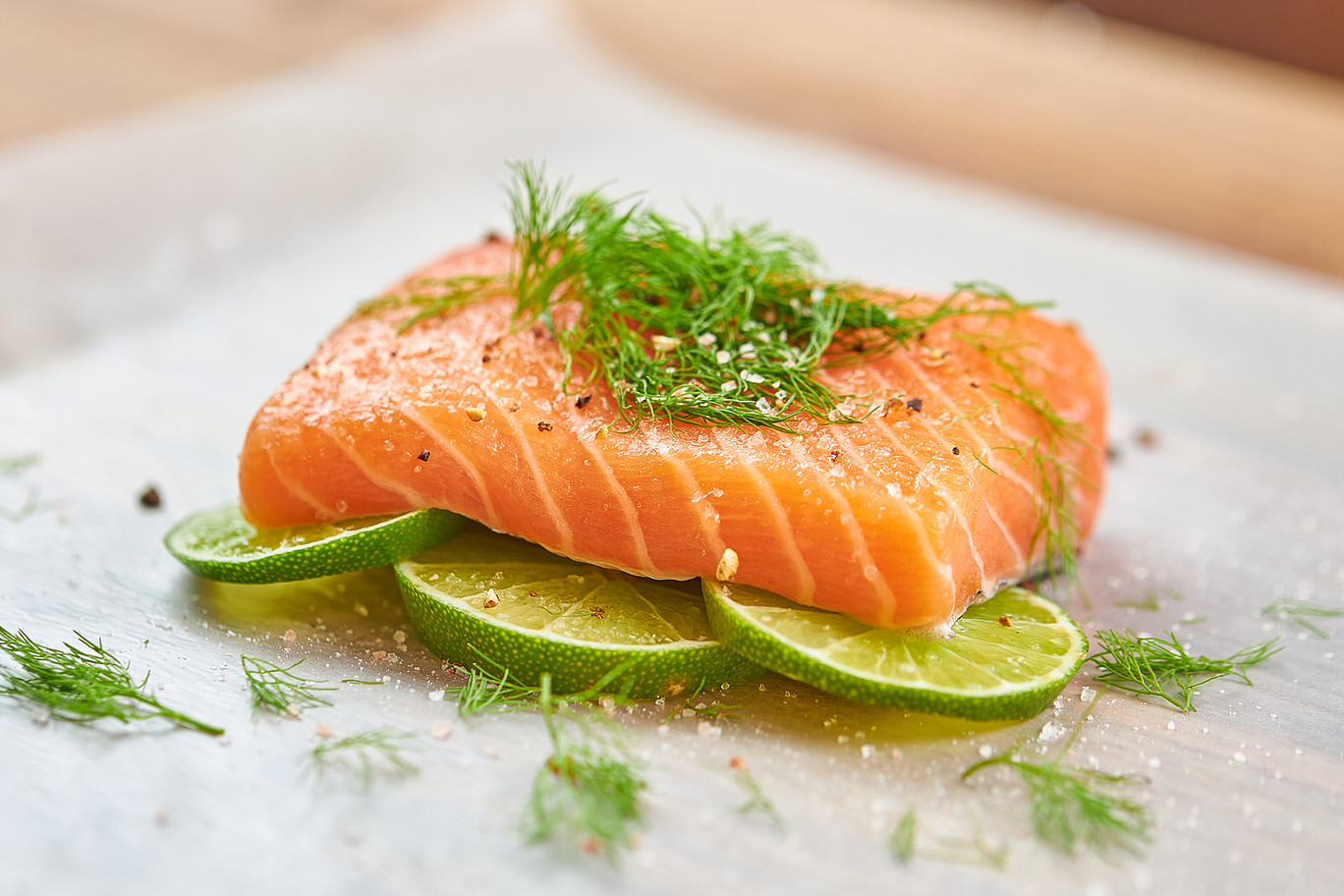
The health benefits of omega-3 fatty acids, which are found in oily fish such as salmon, are well-known for their role in supporting major body organs, such as the heart, brain and eyes and helping them function normally. However, according to new research from the University of Zurich, omega-3, combined with vitamin D and exercise, could also slow biological ageing by as much as four months – offering a longer life and a healthier one.
Led by Heike Bischoff-Ferrari from the Department of Geriatrics and Ageing Research at the University of Zurich, an international team of researchers examined 777 healthy people aged between 70 to 91 to see whether omega-3 could influence ageing at a biological level, which is a more accurate predictor of lifespan than chronological age.
For the study, published in the journal Nature Ageing, the participants were given different combinations of treatments: taking omega-3 per day, and/or vitamin D per day, and/or exercising for 30 minutes three times a week, or none of the treatments. Researchers used ‘epigenetic clocks’, a method that measures biological markers on DNA linked to ageing, to track the participant’s health and longevity over three years.
The results were impressive and most participants were found to have aged three months less, as measured by the biological markers. However, those who combined omega-3 with vitamin D and regular strength training showed the most significant anti-ageing effects, showing biological ageing up to four months less.
While the study was focused on healthy and active older adults and led to a relatively small improvement in their biological ageing, it adds to the growing evidence that lifestyle choices – including having a healthy diet, vitamins, and regular exercise – can help slow the ageing process.
Heike Bischoff-Ferrari said: “While the effects may appear small with three to four months of rejuvenation of biological age in three years if sustained, they may have relevant effects on population health.”
To learn more about the study, visit: https://www.nature.com/articles/s43587-024-00793-y


