Mowi’s approach to reducing plastic waste and advancing circularity


Mowi depends on well-functioning and stable ecosystems to produce our salmon under optimal conditions for them to thrive and be healthy. From feed sourcing to freshwater use and the marine environment where fish are farmed, our value chain is closely linked to nature. This dependence also brings responsibility. Human activity continues to lead to loss of biodiversity loss, with pollution, including plastic waste, a key pressure on marine systems. Awareness is the foundation for Mowi to take responsibility and act to protect natural capital.
Plastic waste forms part of our wider solid waste footprint and arises across both farming and downstream operations. Materials such as nets, pens and feeding pipes are necessary for farming, while plastic packaging contributes to our downstream footprint. If not handled responsibly, these materials can pose direct risks to marine ecosystems and biodiversity.
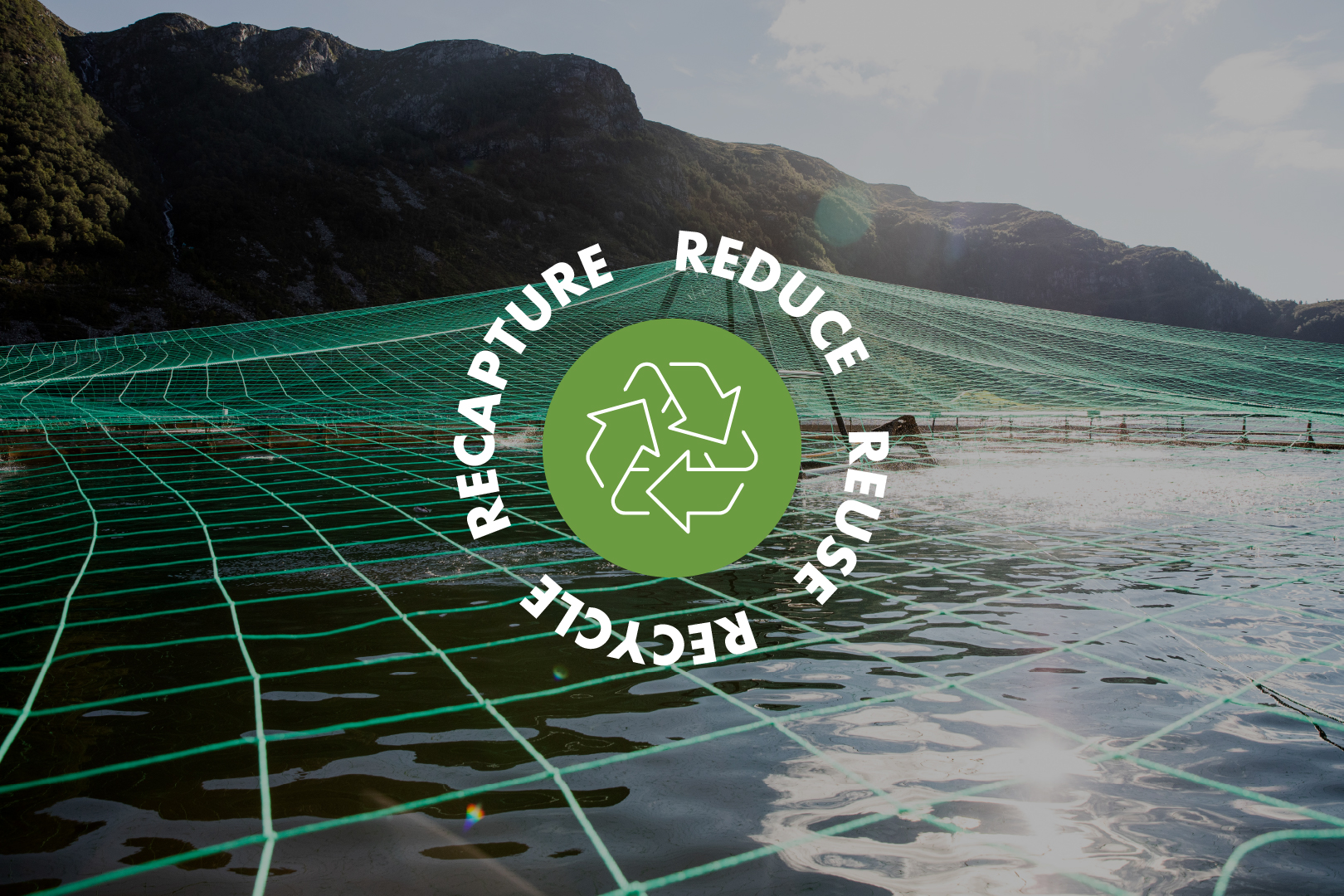
Circular economy principles are at the heart of Mowi’s approach, with a clear focus on avoiding unnecessary plastic use and ensuring that any waste is reused or recycled where possible. Our responsible waste management policy sets this out, and underpins our 2030 targets, including zero non-hazardous waste to landfill and 100% reuse or recycling of plastic farming equipment.
In 2025, Mowi generated 35,514 tonnes of solid waste in our direct operations in 2025, of which 60% avoided disposal through reuse or recycling and 40% was directed to alternative disposal methods. Our feed, primary and secondary processing plants directed 2.4% non-hazardous waste to landfill (total non-hazardous waste was 20,484 and from that 489 tonnes was sent to landfill).
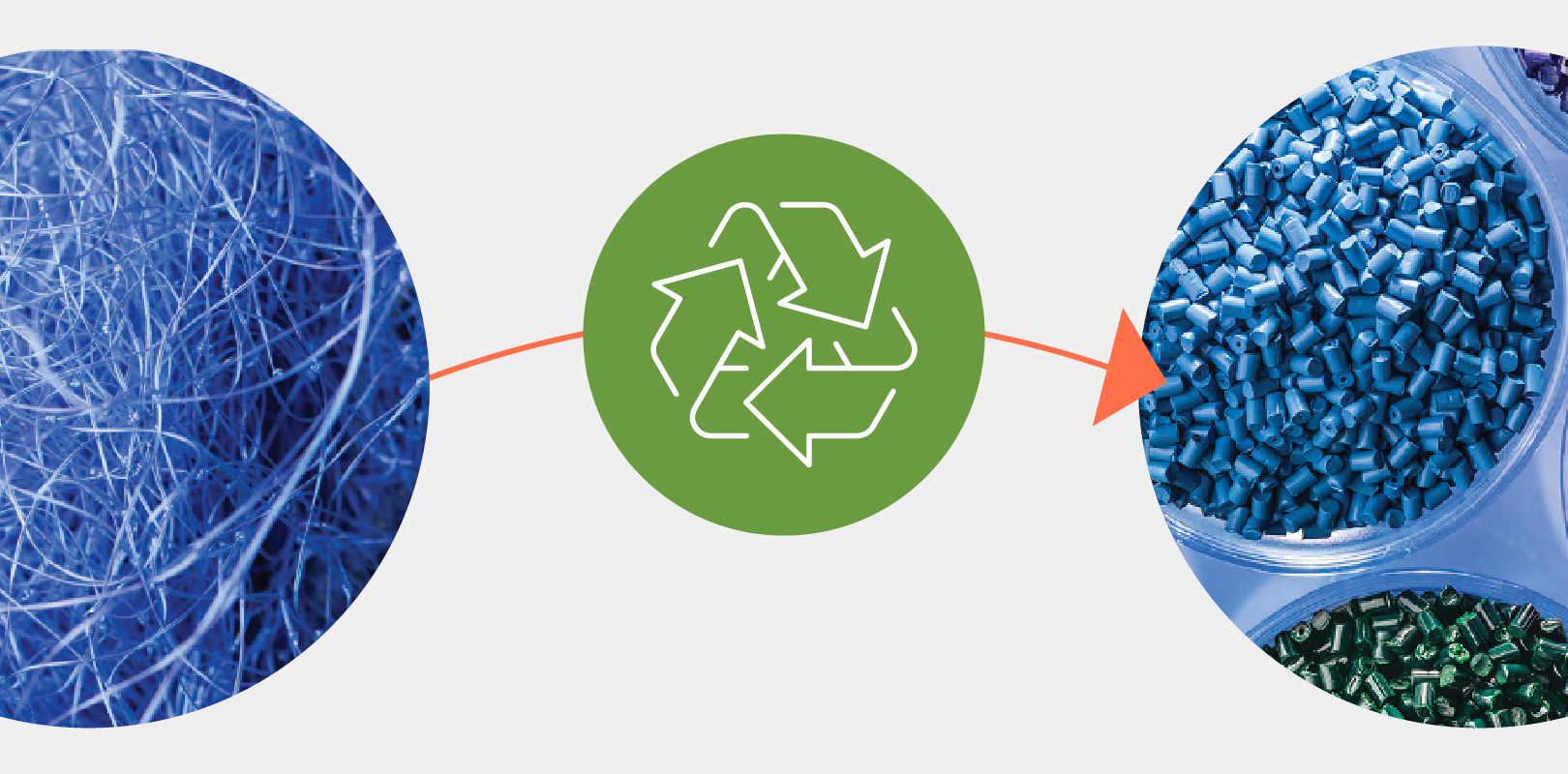
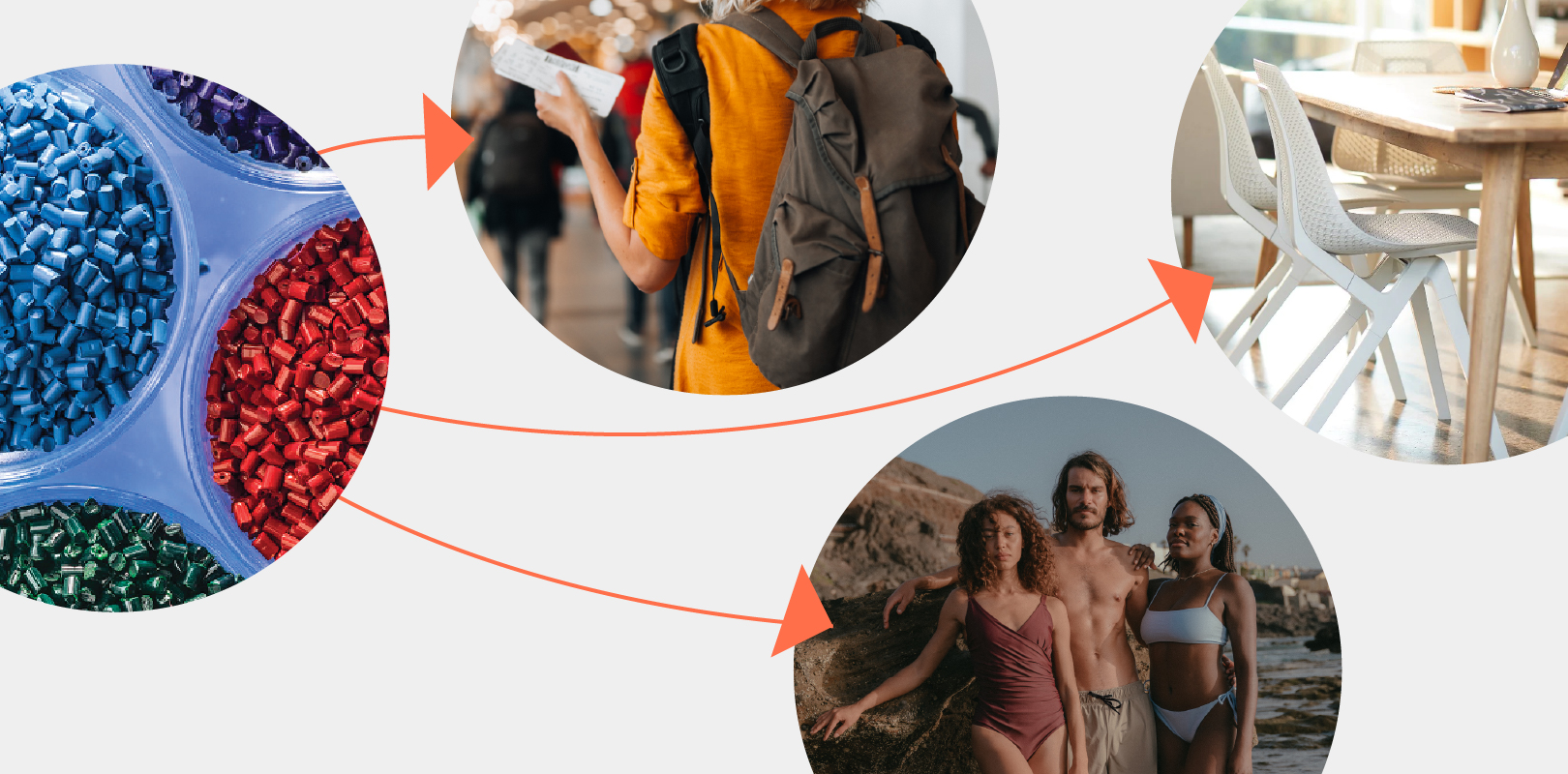
Plastic farming equipment remains an area of focus. Our farming units recycled or reused 2,288 tonnes of nets, feeding pipes and pens, representing 97% of our total farming equipment waste, in 2025. Through advanced recycling, used netting is reconverted into polyamide filament, which can be used in products such as textiles, furniture, sports gear and automotive parts. This demonstrates how circular systems can turn waste into valuable raw materials.
Mowi is also working to reduce its plastic packaging footprint. In 2025, 83% of packaging was reusable or recyclable, with 21% made from recycled plastic. Packaging redesign, material reduction and increased use of recycled content led to a reduction of at least 1,963 tonnes of virgin plastic during the year. Initiatives across regions, including shifts to fibre-based materials and greater use of reusable transport systems, continue to support this work.
We put control systems in place to manage waste effectively. Microplastic monitoring confirmed no plastic-related contaminants were found in our salmon in 2025. Alongside this, we work diligently with our suppliers to ensure equipment is handled safely once it is no longer in use. Mowi is reducing plastic waste and increasing the responsible use of resources by focusing on circularity.