How Mowi uses freshwater responsibly


Freshwater is a valuable resource for Mowi. We need it to farm our fish and maintain high hygiene standards at our processing plants. Freshwater is also a valuable resource for the planet, so responsible water management is central to our sustainability strategy.
In some parts of the world, freshwater use can exceed the ability of natural processes to replace it. As a leader of the Blue Revolution, Mowi works to use water efficiently, reduce risks, and ensure our operations never compromise the rights of local communities.
Where do we use freshwater?
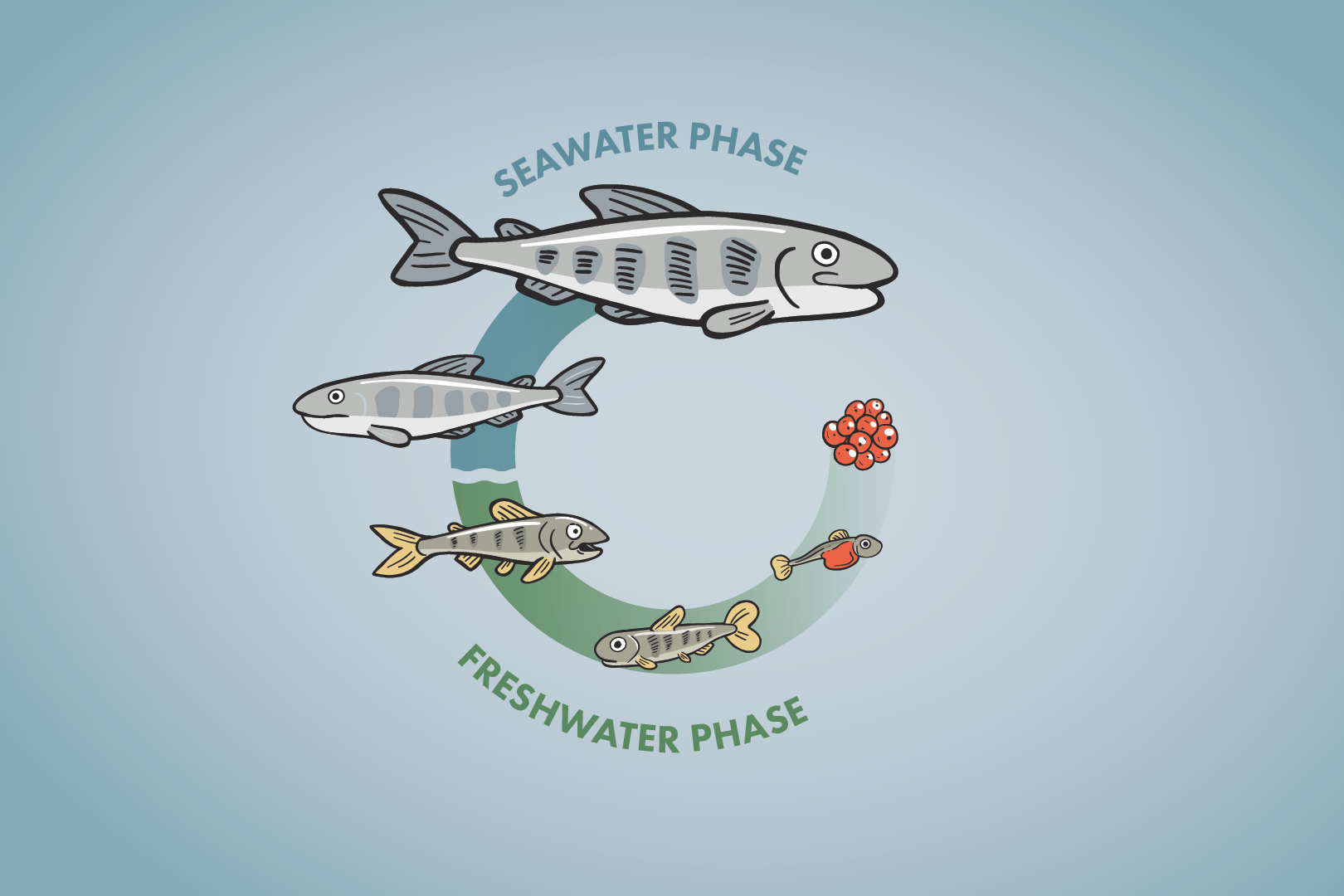
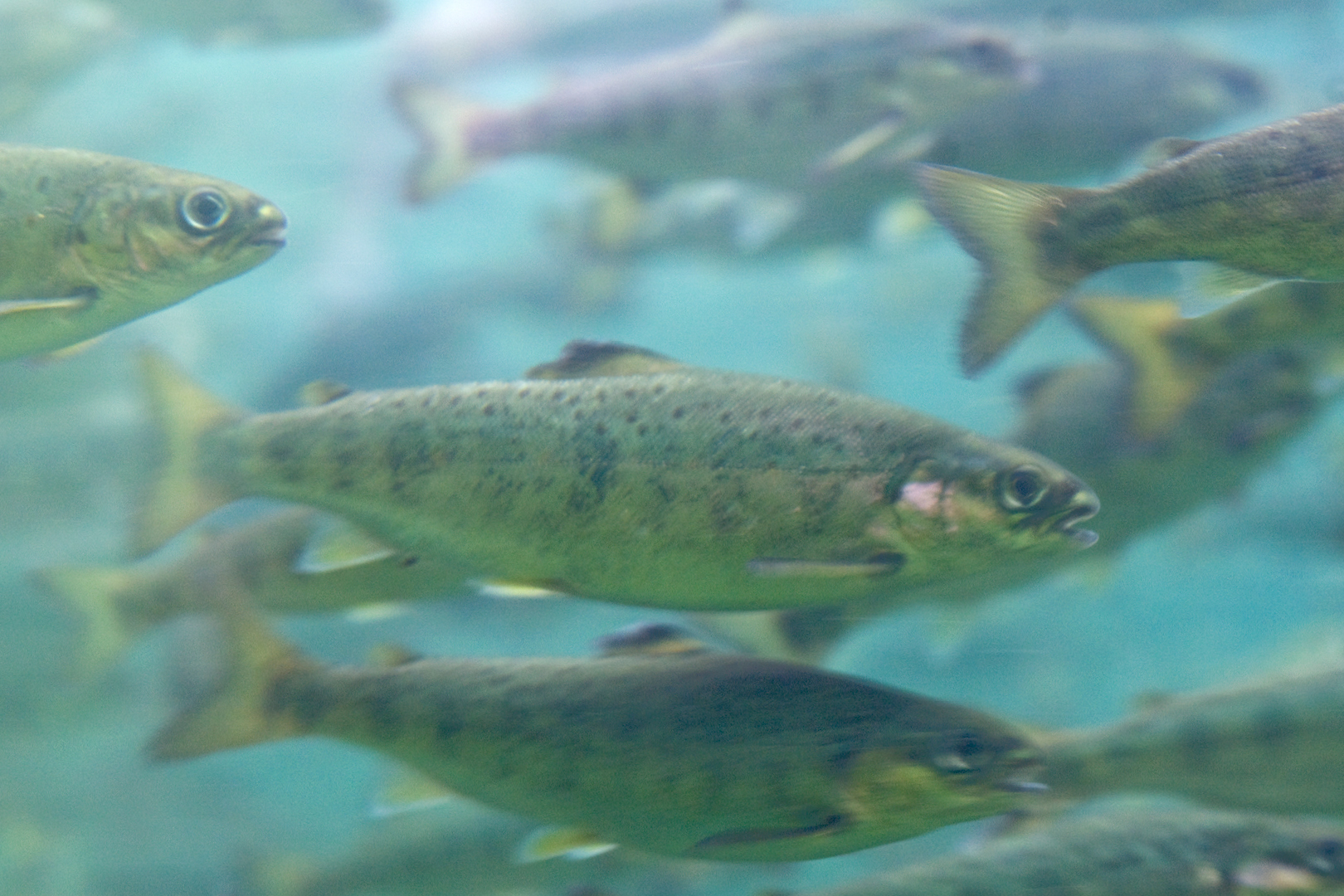
We use most of our freshwater in the early life stages of salmon farming, when smolts are produced before they move on to the sea. This production is done in countries and areas with no water scarcity.
In flow-through systems, water withdrawn for farming is returned to its source, while recirculating aquaculture systems (RAS) recycle it. As a result, Mowi’s actual water consumption is minimal. In fact, salmon production has the lowest water consumption per kilogram of edible meat compared with other sources of farmed animal protein.
Recycling and innovation
RAS systems allow water to be treated and reused repeatedly, and our most modern facilities operate recirculation rates of up to 99%. In 2025, these facilities recycled more than 39 million cubic metres of freshwater, the equivalent of 16,000 Olympic-size swimming pools.
This technology also allows for more of the production cycle to take place in a controlled environment on land. This means larger smolts are released into the sea, reducing the time salmon spend in the ocean and decreasing biological risk and environmental impact.
How we assess risk
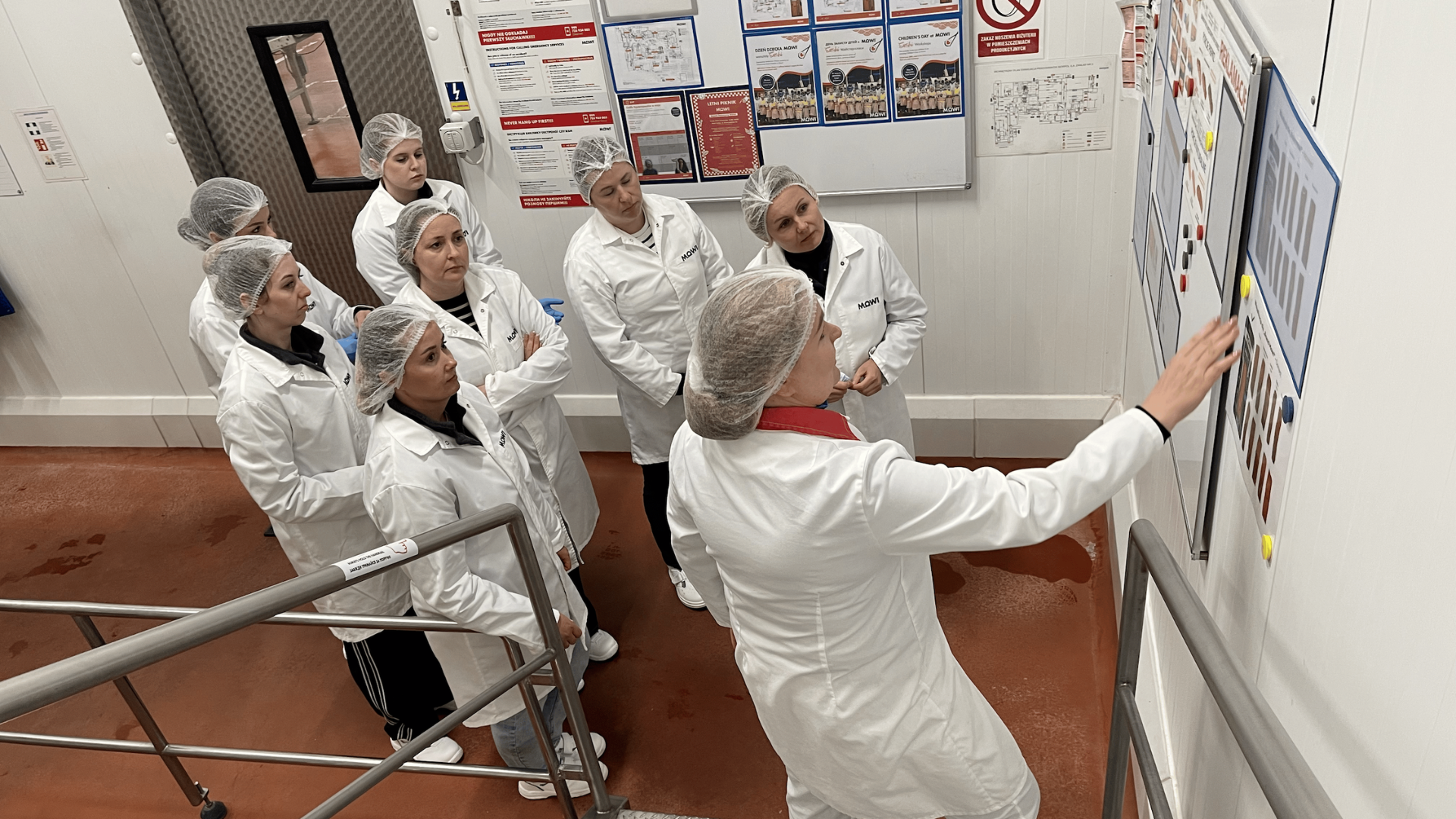
Every year, we assess water-related risks across all our operational sites using Aquedut, a third-party tool from the World Resources Institute. This helps us see where we may need to act to reduce water intensity.
All of our farming regions are in low-risk areas for both water stress and water depletion; however, four of our processing plants operate in areas with higher water risks, so we direct our conservation efforts there.
As part of our drive toward increasingly sustainable operations, we have set a clear target at processing plants in these areas: a 10% reduction in water intensity by 2030.
Freshwater stewardship across the supply chain
We understand that our responsibility extends beyond our own sites. Freshwater is used indirectly to grow the raw materials in our feed, so we assess supplies against our freshwater management criteria. For example, all of our soy is from organic-certified sources, with standards that include water management and good agricultural practices.
Ensuring transparency and accountability
Water stewardship is part of Mowi’s wider Leading the Blue Revolution initiative, which connects freshwater with our commitments to protect biodiversity, preserve ecosystems and reduce environmental impact. A third party audits our freshwater use, and we report our water-related risks and opportunities to CDP. In 2025, Mowi received an A score in CDP’s water security assessment.
Through continued investment in recycling and technology, we aim to reduce our dependency on freshwater and manage it responsibly for communities, ecosystems, and future generations.